


CoreMorrow Low Voltage PZT Piezo Actuators (Plate/Ring/Stack)
In semiconductor manufacturing, precision optics, and high-end scientific research, nanoscale precision driving is the key to breaking through technological bottlenecks. CoreMorrow high-performance low-voltage piezo plate/ring/stack, with their core advantages of low-voltage drive, large-stroke, high reliability, and full-scenario adaptability, provide high-quality solutions for various precision drive scenarios.
I. Low-Voltage Piezo Plate/Ring Actuator/Stack
Piezo · Nano · Motion
1. Piezo Plate
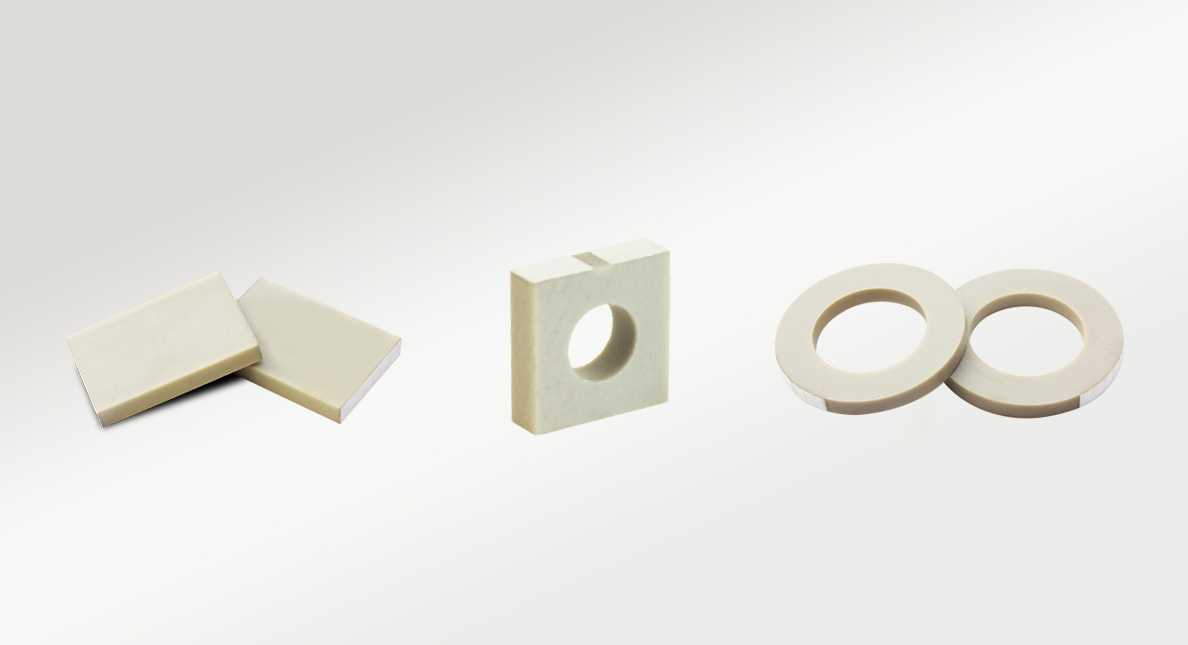
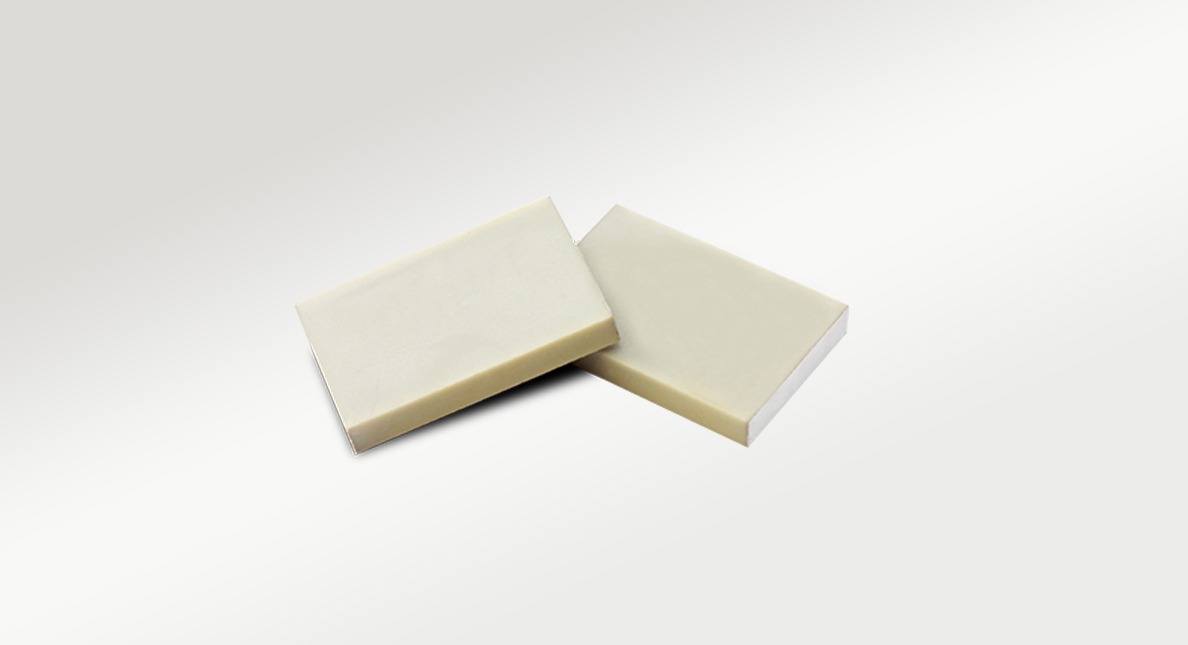
Sheet-like piezoelectric ceramics are made of PZT5A material with the standard thickness of 2mm. It has a square or ring-shaped structure. A single piece can generate a displacement of 3.3μm, which makes it an ideal choice for precision control systems.
Technological Structure
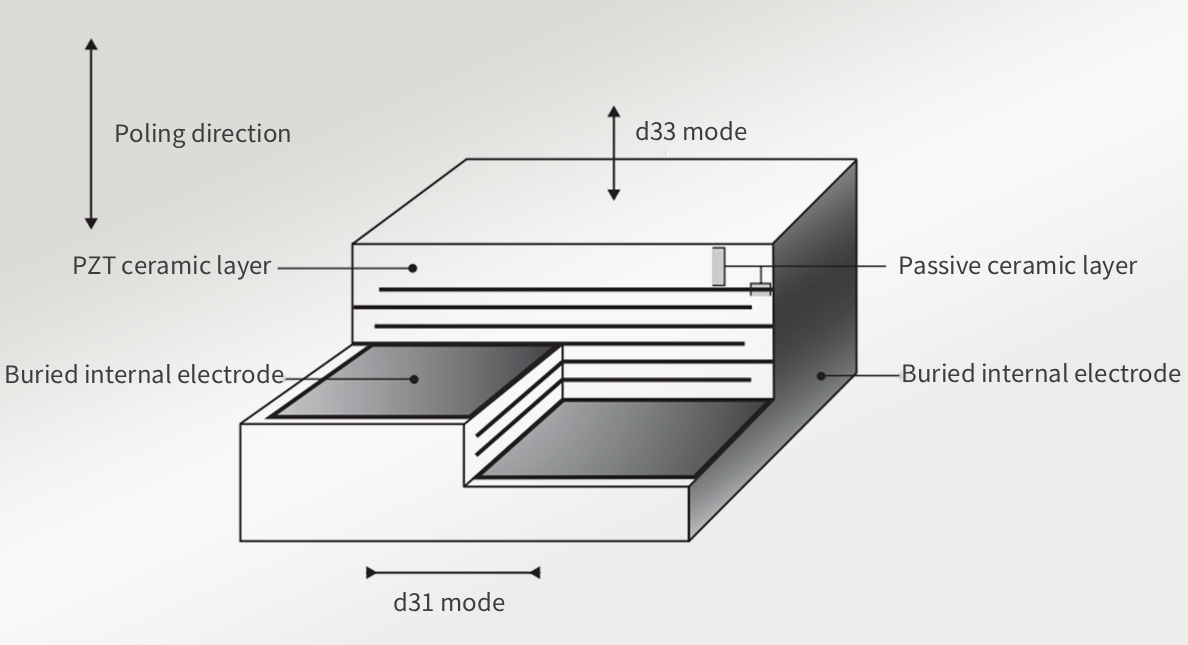
The internal structure of this low-voltage piezo plate is shown in the following figure. Its interior is composed of ceramic layers and electrode layers stacked in a cross pattern. The left and right sides are the positive and negative electrode surfaces, and the top and bottom are insulating ceramic materials.
2. Piezo Stacks
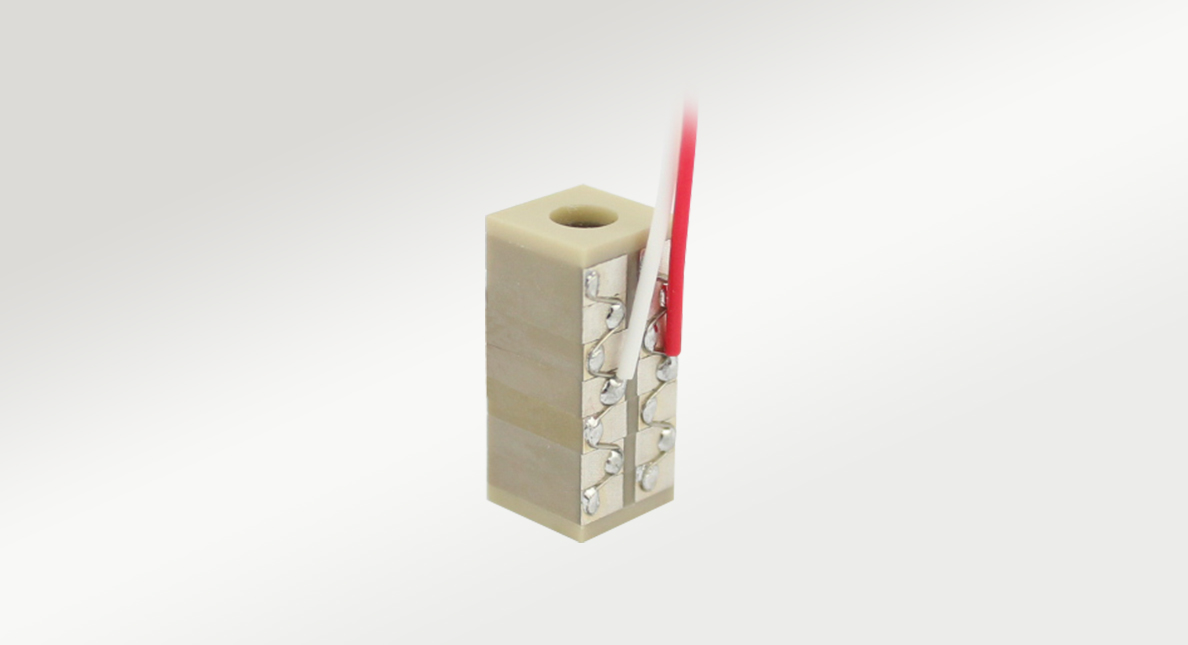
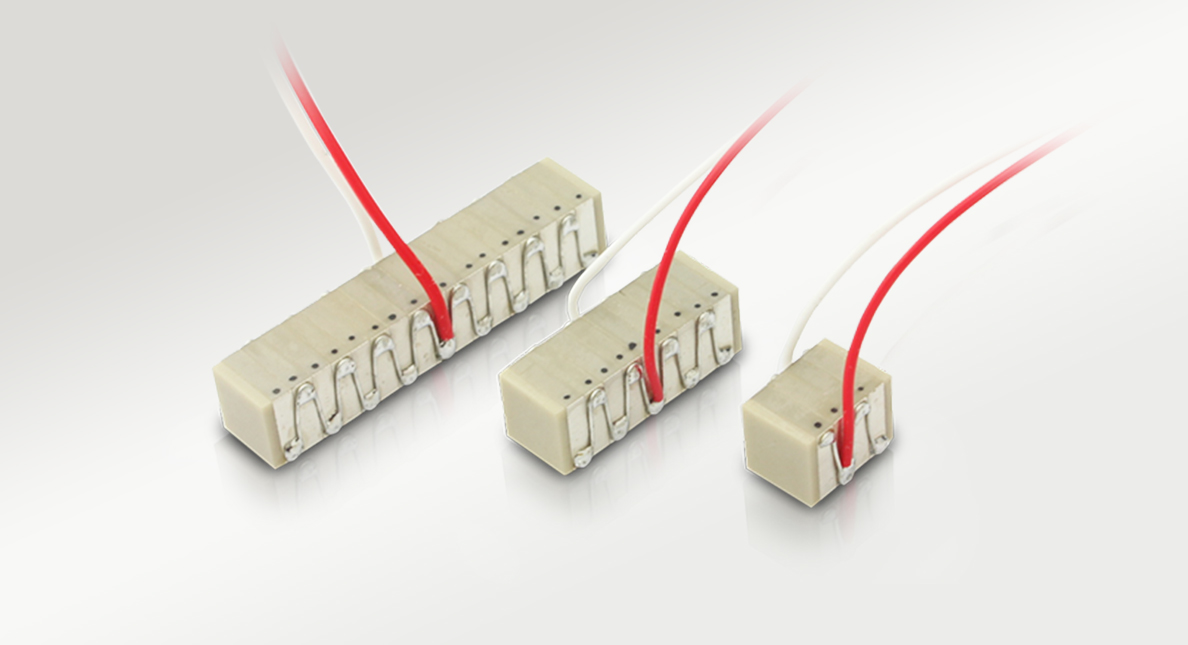
To achieve a greater displacement, we stack multiple piezo plates and weld a common electrode. Through this structure, the total displacement is the accumulation of the displacements of each piece. In standard products, the displacement after stacking can reach 128.7μm, and higher specifications can be customized.
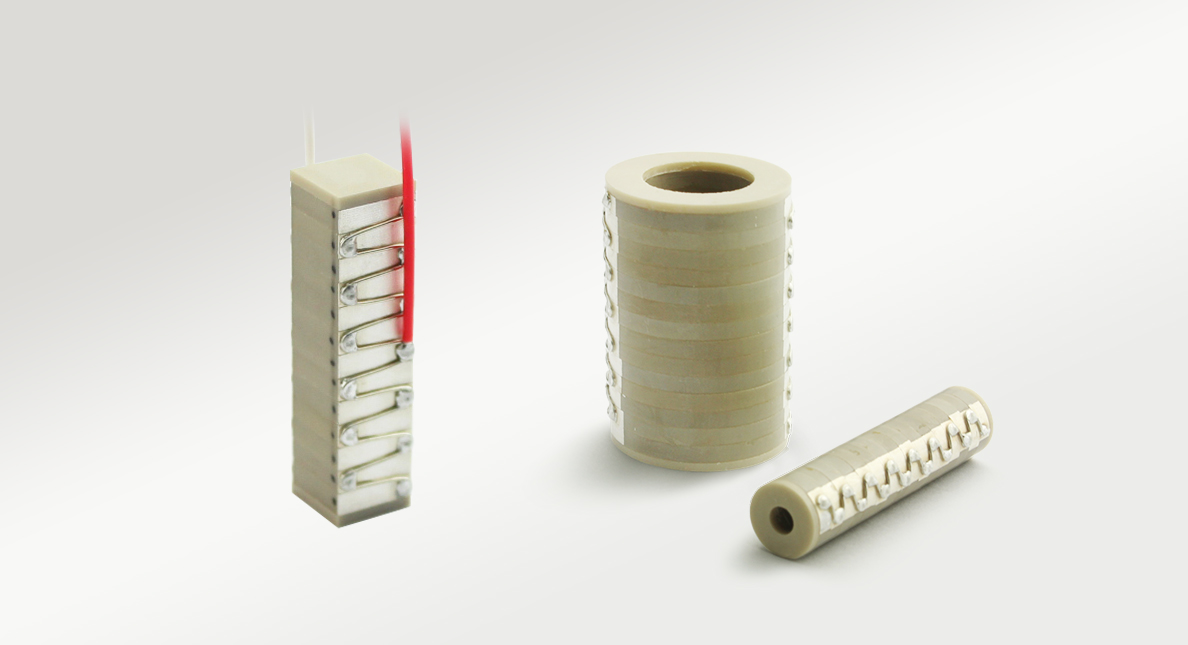
In addition, for ultra-high vacuum environments, we offer custom UHV versions with a pressure resistance capacity of up to 10^-10Torr (1.33×10^-10mbar), which can meet the requirements of scientific research and semiconductor environments.
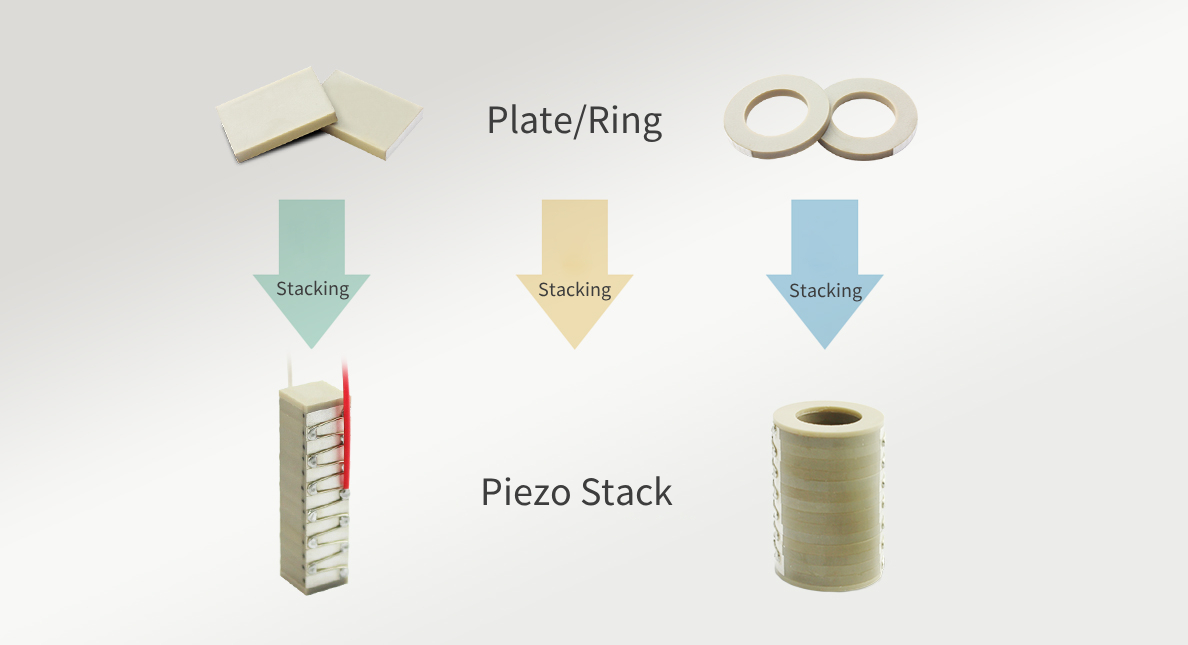
Our technological strength lies in the flexible customization capability. The core advantage of piezo stacks stems from the mature and controllable precision stacking process of individual pieces, and the high degree of freedom in selection. In addition, there is a 1mm thick non-polarized ceramic insulating sheet at the top and bottom of the piezo stack. When the mobile end comes into contact with the conductive material, it can effectively prevent the risk of short circuit at both ends.
Custom Product
Electrodes in same side: Facilitates wiring in confined Spaces.
With aperture: For optical light transmission or mechanical fixation.
High flatness: 5μm parellelism.
II. Precautions for High-Frequency Work
Piezo · Nano · Motion
The product is adaptable to application scenarios such as high-frequency reciprocating drive and high-speed dynamic regulation. Regarding the risks in high-frequency use, the following four key points should be noted to ensure the long-term reliable operation of the device:
1.High-frequency operation will cause the ceramic to heat up by itself. When the temperature exceeds 150℃, the electrode may fall off.
2. High-acceleration operation will exert mechanical force on the leads. It is recommended to use appropriate electrical connection methods such as conductive adhesives to buffer stress.
3. High-frequency use will exert tensile force on the piezo stack, and a preload force needs to be added to the piezo stack. The preload depends on the application, but it is usually 5 to 10MPa of pressure.
4. High-frequency use requires a large current. It is necessary to ensure that the leads can operate within the required current range. The standard lead can withstand a maximum current of 1.4A.
III. Working Temperature Environment
Piezo · Nano · Motion
Piezo stack actuators have an extremely wide operating temperature range and are suitable for various scenarios from deep space exploration to high-temperature industries. Normal range: 4mK to 470K (approximately 200℃). It should be noted that:
High temperature risk: When the ambient temperature exceeds 150℃, although the ceramic itself has an extremely high temperature resistance, there is a risk of electrode detachment, and special attention should be paid to heat dissipation.
Low temperature performance: In an extremely low temperature environment close to absolute zero (4K), the performance of piezo ceramics will decline, approximately 10% of that at room temperature. If dynamic operation is required at low temperatures, dedicated low-temperature leads must be replaced to ensure the reliability of electrical connections.
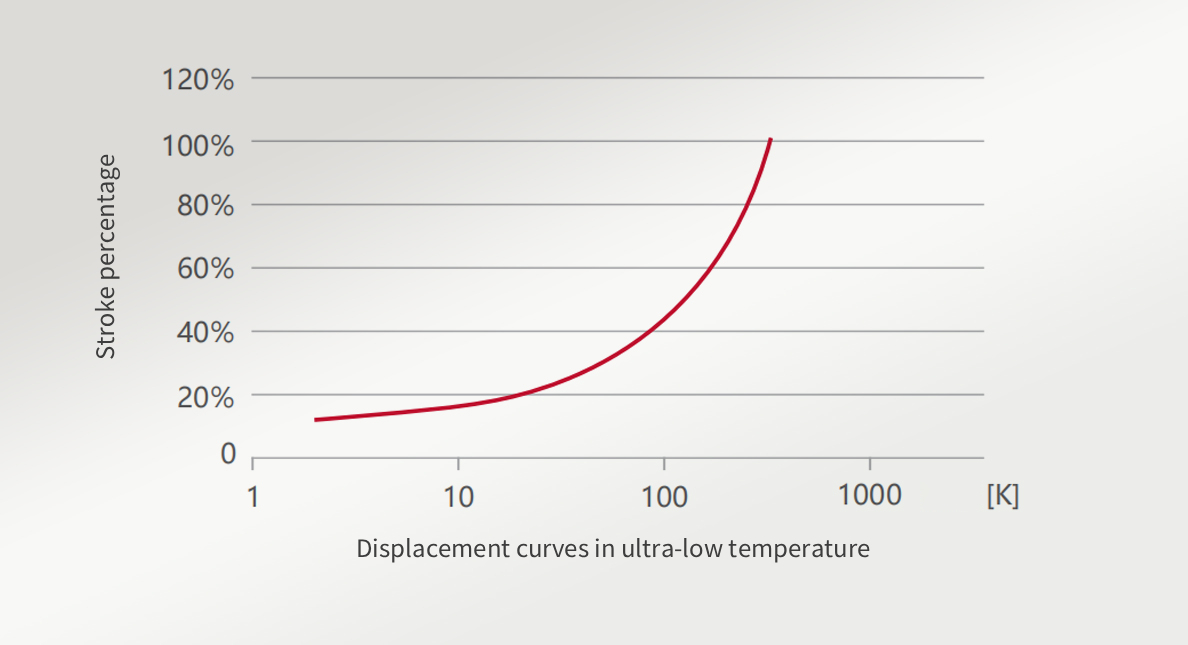
Displacement vs. Temperature Curve
IV. High-Frequency Power and Current Calculation
Piezo · Nano · Motion
The piezo stack only requires power/current during dynamic operation. The output current of the amplifier and the rise time determine the upper limit of the operating frequency of the piezo stack.
Sinusoidal drive average current: Iave=f×C×Up-p,Peak current of sinusoidal operation: Imax=π×fmax×C×Up-p,Iave=Average current of the amplifier, Imax=Peak current of the amplifier, fmax=maximum operating frequency,C=El. capacitance of ceramics,Up-p=Peak-to-peak driving voltage, f=operating frequency.
V. Technical Data of Products
Piezo · Nano · Motion
|
Name |
Piezo Plate |
|
L |
2mm~20mm |
|
W |
2mm~20mm |
|
H |
Usually 2mm, some are 1mm |
|
Driving Voltage |
0~60V/150V/200V |
|
Displacement |
1.5μm~3.3μm |
|
EI.capacitance |
25nF~1800nF |
|
Stiffness |
51N/μm~5091N/μm |
|
Blocking Force |
168N~16800N |
|
Resonant Frequency |
>486kHz |
|
Mass |
0.07g~6.4g |
|
Name |
Plate Piezo Stack |
|
L |
2mm~15mm |
|
W |
2mm~15mm |
|
H |
4mm~80mm |
|
Driving Voltage |
0~60V/150V/200V |
|
Displacement |
1.8μm~128.7μm |
|
EI.capacitance |
20nF~34050nF |
|
Stiffness |
2864N/μm~7N/μm |
|
Blocking Force |
168N~9450N |
|
Resonant Frequency |
>250kHz~13.5kHz |
|
Max. Operating Temperature |
150℃~200℃ |
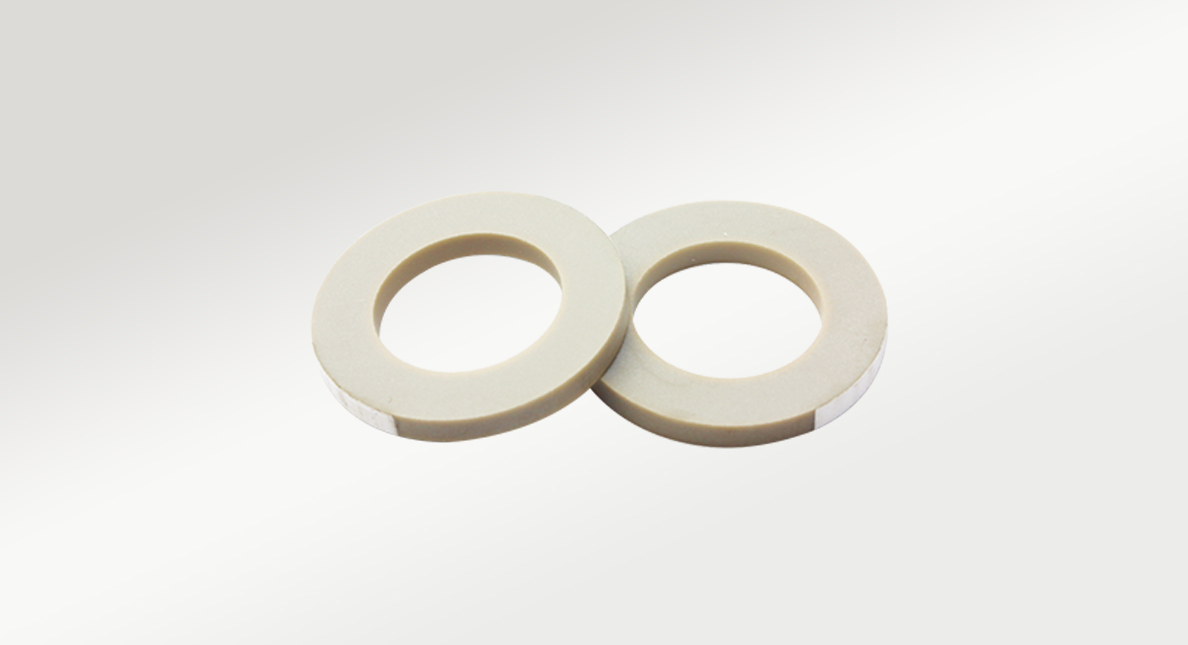
Name
Piezo Ring
OD
6mm~20mm
ID
2mm~12mm
H
2mm
Driving Voltage
0~200V
Displacement
3.3μm
EI.capacitance
105nF~890nF
Stiffness
321N/μm~2561N/μm
Blocking Force
1060N~8450N
Resonant Frequency
>486kHz
Mass
0.38g~3.13g
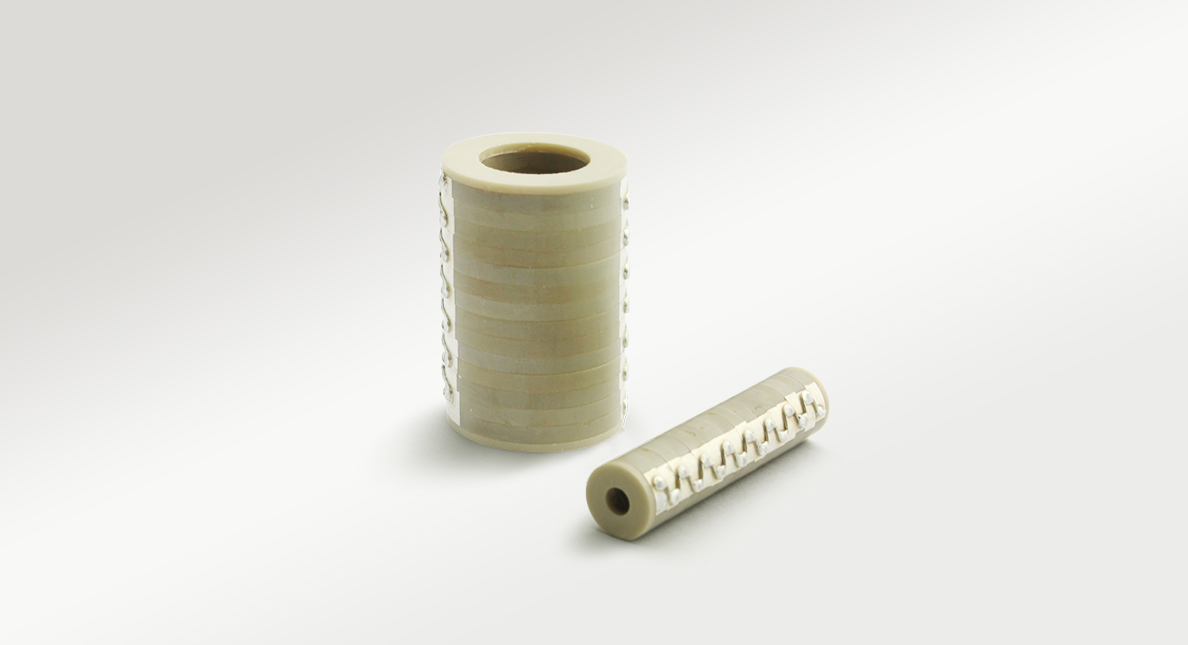
|
Name |
Ring Piezo Stack |
|
OOD |
6mm~20mm |
|
ID |
2mm~12mm |
|
H |
4mm~80mm |
|
Drive Voltage |
0~200V |
|
Displacement |
3.3μm~128.7μm |
|
EI.capacitance |
95nF~31240nF |
|
Stiffness |
11N/μm~2561N/μm |
|
Push Force |
1060N~8450N |
|
Resonant Frequency |
>248~14kHz |
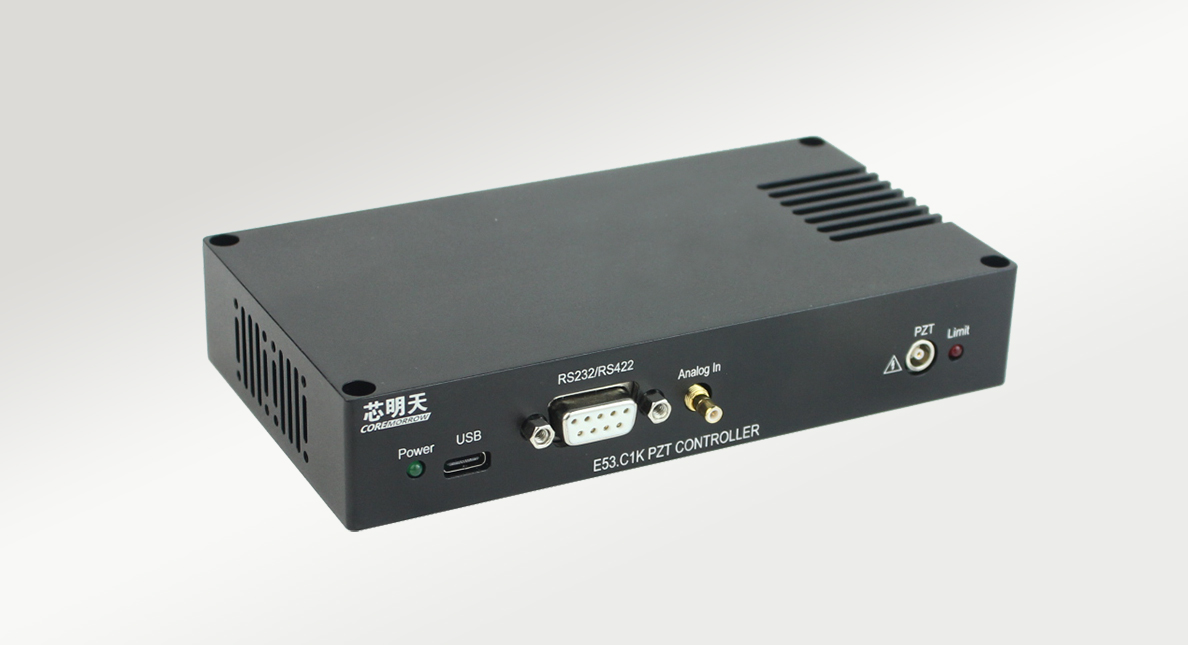
1.E53.C1K-H piezo controller is suitable for driving piezoelectric ceramic plates/stacks. It is a single-channel open-loop piezo controller that adopts digital and analog control, powered by 24VDC, static power consumption of less than 5W and communication interfaces of TYPE-C, RS-422, and RS-232. It is easy to operate and has a size of only 148×80×27.5mm. It has a compact structure and is easy to integrate.
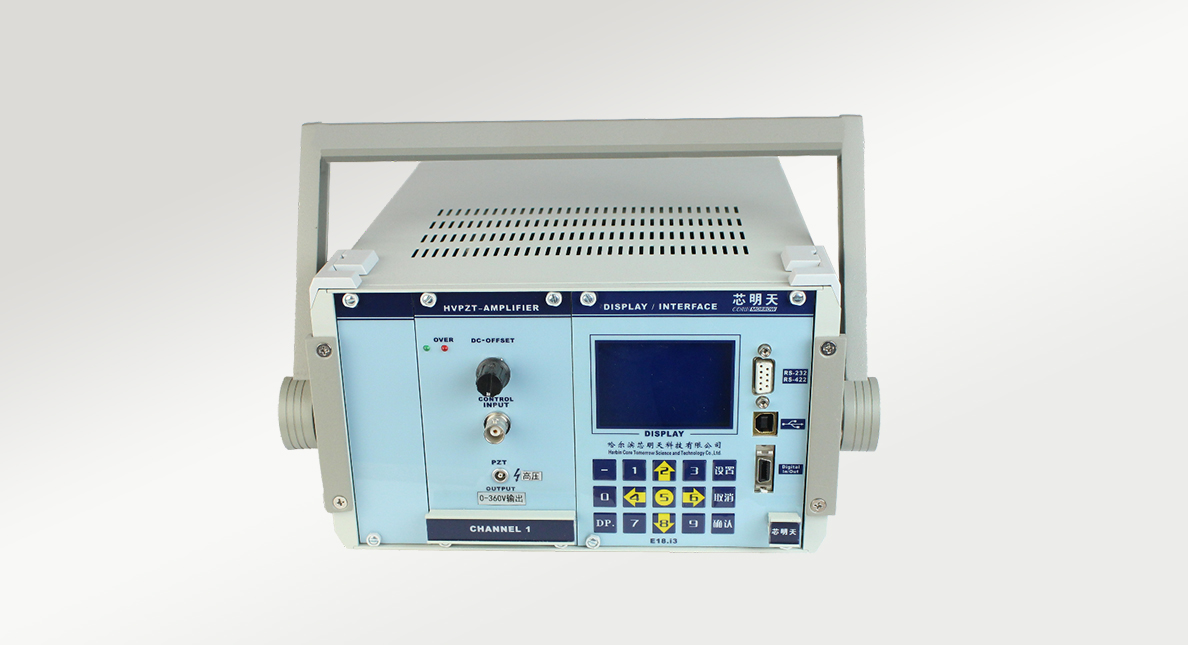
2.E01.C1 is a chassis-type single-channel piezo ceramic controller. It can provide high stability and high resolution voltage for piezo ceramics, and features high frequency response characteristics and extremely low static ripple current. The output voltage range is -20V to 120V, with a bandwidth of 10kHz. It can be manually adjusted, with analog input and self-generated waveform control. It is equipped with a computer serial port /USB interface and a liquid crystal keyboard display, making operation convenient.
For further details, please call +86-451-86268790, or add WeChat ID: 17051647888.
- Previous article:No more
- Next article:New: P79.Z500 Piezo Stage, 500μm Stroke, New Fine-Tuning & Focusing Experience
Sweep, get the latest information on core tomorrow
Address:1F, Building I2, No.191 Xuefu Road, Nangang District, Harbin, China
Tel:0451-86268790
Piezo · Nano · Motion
